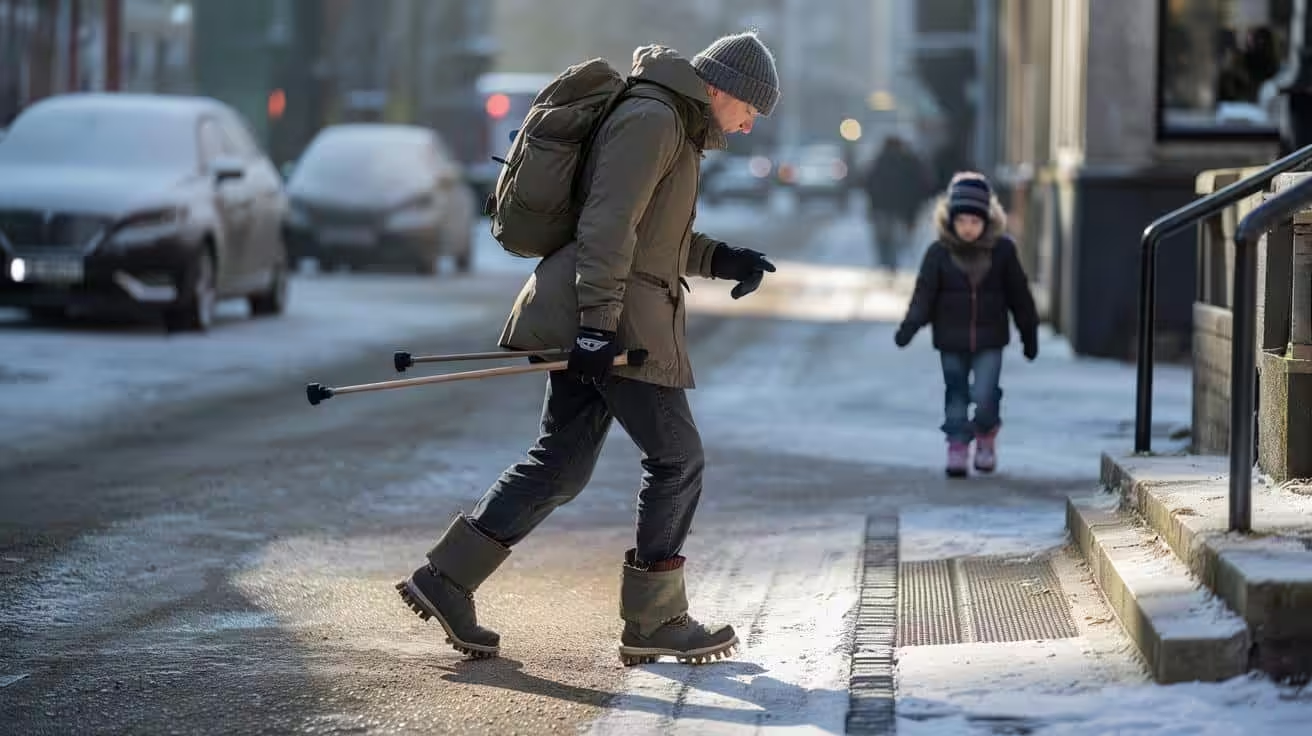
The winter weather has arrived, and with it, the dreaded black ice. This invisible menace lurks on pavements and roads, waiting to catch unsuspecting pedestrians off guard. As hospitals across the UK and northern US brace for a surge in broken wrists, twisted ankles, and painful bruises, it’s crucial to arm ourselves with knowledge and strategies to avoid slips and falls on snow and ice.
Black ice is a particularly insidious hazard because it’s nearly impossible to spot, blending seamlessly with the surrounding surface. But with a few simple precautions, you can navigate the winter wonderland with greater confidence and safety.
Wearing the Right Footwear
One of the most important steps in preventing winter falls is to invest in appropriate footwear. While fashion may be tempting, practicality should take priority when the temperatures drop. Look for shoes or boots with thick, textured soles that provide maximum grip on slippery surfaces.

Avoid smooth-soled dress shoes or flimsy, lightweight options. Instead, opt for rubber or wool-lined boots with deep treads that can dig into the ice and snow. This extra traction can make all the difference when traversing treacherous terrain.
Remember, even the most reliable footwear can become compromised over time. Be sure to replace well-worn soles and check for signs of deterioration before heading out.
Navigating the Snow and Ice
When it comes to walking on snow and ice, the key is to slow down and adopt a penguin-like stance. Take shorter, shuffling steps, keeping your centre of gravity low and your knees bent. This helps to distribute your weight more evenly and reduces the risk of sudden, jarring movements that can lead to falls.

Avoid the temptation to rush, and be mindful of your surroundings. Scan the path ahead for hidden patches of black ice or slippery areas, and steer clear of them if possible. If you must cross a treacherous section, take it slowly and use any available handrails or walls for extra stability.
Carrying heavy loads or pushing strollers can make navigating the ice and snow even more challenging. Keep your hands free and your body balanced, using trekking poles or a sturdy walking stick for added support.
Preparing for the Unexpected
Despite your best efforts, accidents can still happen. In the event of a fall, it’s important to know how to minimize the impact and reduce the risk of injury. Tuck your chin, bend your knees, and try to land on fleshy areas like your thighs or buttocks, rather than your wrists or head.

If you do experience a fall, take a moment to assess the situation before attempting to get up. Check for any signs of injury, and seek medical attention if necessary. Remember, it’s better to err on the side of caution when it comes to winter weather hazards.
Finally, be mindful of the needs of others, especially children, the elderly, and outdoor workers who may be more vulnerable to the dangers of black ice. Take the time to clear paths, share information, and lend a helping hand whenever possible.
Embracing Winter Safety
Navigating the winter wonderland can be a challenge, but with the right mindset and preparation, it doesn’t have to be a source of fear and anxiety. By prioritizing safety, being proactive, and staying vigilant, we can all enjoy the beauty of the season while minimizing the risks of slips and falls.

So, the next time you step out into the winter chill, remember these nine smart tips, and you’ll be well on your way to a safer, more confident stroll through the snow and ice.
Key Strategies for Avoiding Slips and Falls
| Strategy | Description |
|---|---|
| Wear Proper Footwear | Invest in shoes or boots with thick, textured soles that provide maximum grip on slippery surfaces. |
| Walk Like a Penguin | Take shorter, shuffling steps, keeping your centre of gravity low and your knees bent to distribute your weight evenly. |
| Keep Hands Free | Avoid carrying heavy loads or pushing strollers, which can make navigating the ice and snow more challenging. |
| Use Trekking Poles | Employ trekking poles or a sturdy walking stick for added stability and support on slippery surfaces. |
| Learn to Fall Safely | In the event of a fall, tuck your chin, bend your knees, and try to land on fleshy areas like your thighs or buttocks. |
“The key to staying safe on winter pavements is to slow down and be hyper-aware of your surroundings,” says Dr. Sarah Winters, a leading expert on winter injury prevention. “Rushing and complacency are the biggest contributors to slips and falls, so it’s crucial to approach the outdoors with caution and vigilance.”
As the saying goes, an ounce of prevention is worth a pound of cure. By taking proactive steps to safeguard ourselves and our loved ones, we can enjoy the beauty of winter while minimizing the risks of black ice and other seasonal hazards.

Preparing for Children, Carers, and Outdoor Workers
While the strategies discussed so far apply to the general public, certain groups may face additional challenges when navigating the winter weather. Children, caregivers, and outdoor workers require special consideration to ensure their safety.
For children, it’s essential to supervise their outdoor activities and teach them the importance of winter safety. Encourage them to walk slowly, hold onto handrails, and avoid running or playing on icy surfaces. Ensure they have appropriate, well-fitting winter gear, including sturdy boots and gloves.
Caregivers, who may be responsible for assisting the elderly or individuals with mobility issues, should prioritize safety when venturing out. Plan routes carefully, avoid icy areas, and use assistive devices like walkers or canes to provide extra stability. Consider scheduling outdoor tasks for periods when the sun is highest, as this can help melt some of the ice and snow.

For outdoor workers, such as postal carriers, construction workers, or landscapers, the risks of black ice and winter weather are particularly high. Employers should provide comprehensive training on winter safety, ensure proper equipment and footwear, and consider adjusting schedules or tasks to minimize exposure to the elements.
“Outdoor workers need to be extra vigilant when it comes to winter weather hazards,” says John Harrington, a safety consultant for a national construction firm. “Proper training, equipment, and a proactive approach to risk management can go a long way in keeping these individuals safe on the job.”
By addressing the unique needs of vulnerable groups, we can create a safer, more inclusive environment for everyone to navigate the winter landscape.

Understanding the Science of Black Ice
Black ice, also known as clear ice or glare ice, is a thin layer of ice that forms on surfaces when temperatures drop below freezing. Unlike regular snow or ice, black ice is nearly invisible, making it a particularly insidious hazard for pedestrians and drivers alike.
The formation of black ice is a complex process that involves the interaction of air temperature, moisture, and surface conditions. When warm air meets a cold surface, such as a pavement or road, the moisture in the air can condense and freeze, creating a smooth, transparent layer of ice.
This type of ice is especially dangerous because it can form in unexpected places, such as shaded areas, bridges, or intersections, where the ground temperature may be lower than the surrounding areas. Additionally, black ice is often confused with wet pavement, further increasing the risk of slips and falls.

“Black ice is a significant threat because it’s virtually impossible to see,” explains Dr. Emma Frost, a meteorologist specializing in winter weather patterns. “The only way to detect it is to be hyper-aware of your surroundings and look for any subtle changes in the surface texture or appearance.”
Understanding the science behind black ice can help us better anticipate and avoid its dangers, but vigilance and caution remain the key to staying safe on winter pavements.
Embracing Winter Safety: A Holistic Approach
Navigating the winter wonderland requires a multifaceted approach that goes beyond just individual actions. Collaboration between government agencies, community organizations, and the public can help create a safer, more inclusive environment for everyone.
Local authorities should prioritize winter maintenance, ensuring that pavements, roads, and public spaces are promptly cleared of snow and ice. Providing easy access to salt or grit for residents can also empower individuals to take an active role in maintaining their immediate surroundings.
Community organizations can play a vital role in educating the public and supporting vulnerable populations. Outreach programs, workshops, and public awareness campaigns can help disseminate valuable information on winter safety, while volunteer initiatives can assist those who may struggle to clear their own paths or access essential services.
“Winter safety is a shared responsibility,” says Sarah Wilkins, a community organizer in a northern city. “By working together, we can create a more resilient and inclusive environment that protects everyone, regardless of their age, ability, or circumstances.”
Ultimately, the key to avoiding slips and falls on snow and ice lies in a holistic approach that combines individual vigilance, community support, and a commitment to winter safety at all levels. By embracing this collaborative mindset, we can navigate the winter wonderland with confidence and ensure that everyone can enjoy the beauty of the season.
FAQs: Staying Safe on Winter Pavements
What are the signs of black ice, and how can I identify it?
Black ice is nearly invisible, as it appears similar to a wet or shiny pavement. Look for areas that seem unusually smooth or reflective, and be extra cautious when walking in shaded or sheltered areas, on bridges, or at intersections, where black ice is more likely to form.
How can I tell if my shoes or boots are suitable for walking on snow and ice?
Ideal winter footwear will have thick, textured soles with deep treads that can grip the ice and snow. Avoid smooth-soled dress shoes or lightweight options, and look for rubber or wool-lined boots that provide extra traction and insulation.
What should I do if I start to slip or fall on ice?
If you feel yourself starting to lose your balance, try to tuck your chin, bend your knees, and aim to land on fleshy areas like your thighs or buttocks. Avoid using your hands to break the fall, as this can lead to wrist or arm injuries.
How can I help vulnerable individuals, such as the elderly or those with mobility issues, stay safe in winter weather?
Offer to assist with clearing paths, provide transportation, or accompany them on essential errands. Encourage the use of assistive devices like walkers or canes, and consider scheduling outdoor tasks for periods when the sun is highest to help melt some of the ice and snow.
What can I do to help my community prepare for and respond to winter weather hazards?
Volunteer with local organizations that provide winter safety education or assistance to vulnerable populations. Encourage your local authorities to prioritize snow and ice removal, and consider organizing a neighborhood initiative to clear shared public spaces.
How can I teach my children to stay safe on icy surfaces?
Supervise their outdoor activities, teach them to walk slowly and hold onto handrails, and ensure they have appropriate, well-fitting winter gear. Reinforce the importance of caution and vigilance when navigating snow and ice.
What are some effective techniques for walking on snow and ice?
Adopt a “penguin-like” stance, taking shorter, shuffling steps with your knees bent and your center of gravity low. Keep your hands free and use trekking poles or a walking stick for added stability.
How can outdoor workers stay safe in winter weather conditions?
Employers should provide comprehensive training on winter safety, ensure proper equipment and footwear, and consider adjusting schedules or tasks to minimize exposure to the elements. Workers should also be vigilant, stay aware of their surroundings, and report any hazardous conditions.



