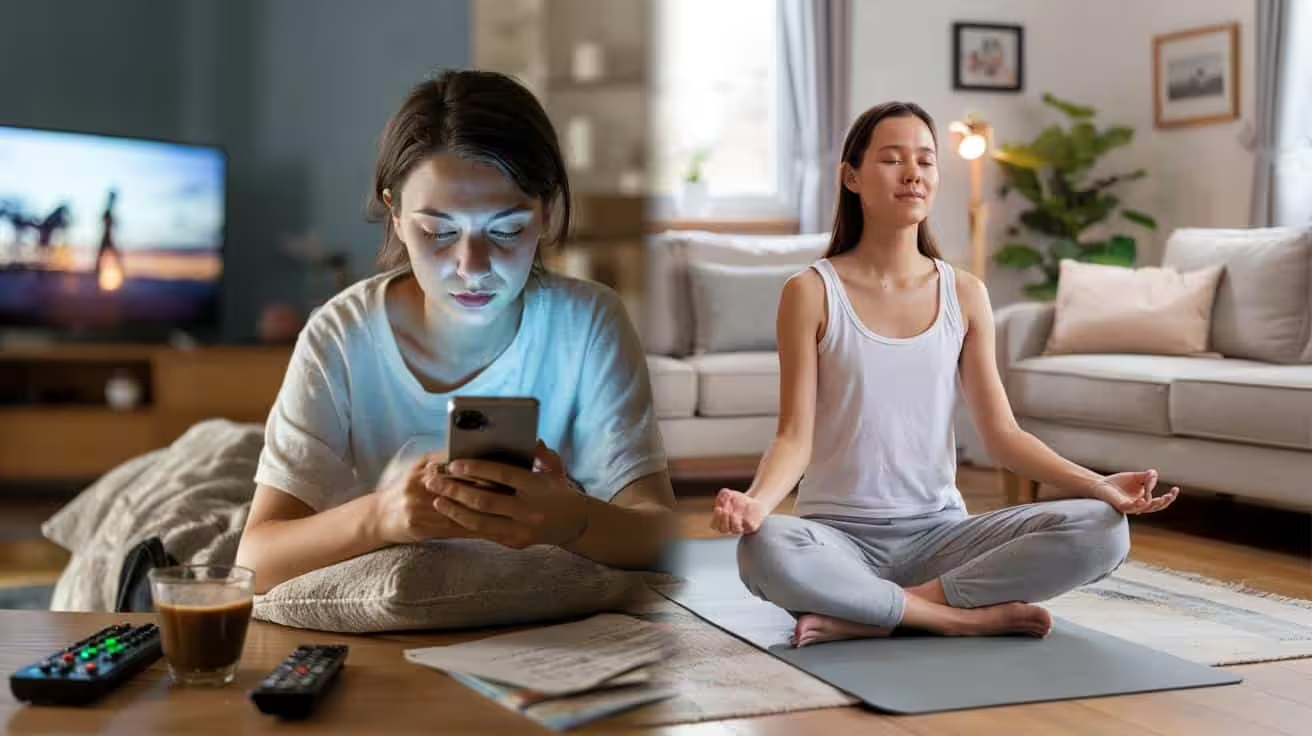
It’s the weekend, and you’ve been looking forward to finally getting some well-deserved rest. You’ve cleared your calendar, turned off all your alarms, and settled onto the couch, ready to do absolutely nothing. But as you sit there, a nagging feeling starts to creep in – is this really helping your body recharge?
It turns out that “doing nothing” isn’t always the best way to let your body and mind truly rest. While it’s important to take breaks and give yourself time to relax, there are certain types of active rest that can be just as beneficial, if not more so.
Passive Rest Isn’t Always Enough
When we think of rest, we often envision ourselves completely zoning out, letting our bodies go limp as we binge-watch TV or scroll endlessly on our phones. While this type of passive rest can be restorative in the short term, it may not be enough to truly recharge your batteries.

Our bodies are designed to move, and when we don’t give them that opportunity, it can actually put more stress on our systems. Sitting or lying down for extended periods can lead to muscle stiffness, poor circulation, and even a disruption in our sleep-wake cycles.
Moreover, our minds often struggle to truly switch off when we’re in a state of passive rest. The constant stimulation of screens and social media can leave us feeling more frazzled than relaxed.
The Importance of Active Rest
Instead of passive rest, experts recommend incorporating “active rest” into your routine. This can take many forms, from gentle stretching and yoga to low-impact exercises like walking or swimming.

The key is to choose activities that gently move your body without pushing it too hard. The goal is to help your muscles and joints release tension, improve blood flow, and promote a sense of relaxation.
Active rest can also be a great way to give your mind a break. By focusing on the present moment and the sensations in your body, you can help quiet the constant stream of thoughts and worries that can plague us during periods of passive rest.
Practical Tips for Active Rest
Incorporating active rest into your routine doesn’t have to be complicated. Here are some simple ideas to get you started:

| Activity | Benefits |
|---|---|
| Gentle yoga or stretching | Improves flexibility, reduces muscle tension, and promotes relaxation. |
| Walking or hiking | Gets your body moving, boosts circulation, and provides a change of scenery. |
| Swimming or water aerobics | Low-impact exercise that helps reduce stress on your joints while improving cardiovascular health. |
| Meditation or deep breathing | Calms the mind, reduces stress, and helps you reconnect with your body. |
The key is to find activities that you enjoy and that make you feel good, both physically and mentally. Experiment with different options until you find what works best for you.
Balancing Active and Passive Rest
Of course, it’s important to strike a balance between active and passive rest. While active rest is important for your overall health and well-being, you still need periods of true relaxation and downtime.
The trick is to incorporate both into your routine in a way that feels sustainable and nourishing. Maybe you start your day with a gentle yoga session, then spend the afternoon binge-watching your favorite show. Or you alternate between active and passive rest throughout the week, giving your body and mind the variety it needs.

Ultimately, the key is to listen to your body and do what feels right for you. By incorporating a mix of active and passive rest, you can help ensure that your body and mind are truly getting the rejuvenation they need.
“When we rest, our bodies have a chance to repair and regenerate. But passive rest alone isn’t enough – we also need to move our bodies in gentle, restorative ways to truly recharge.” – Dr. Sarah Hammer, Exercise Physiologist
Doing nothing doesn’t always mean doing what’s best for your body. By embracing active rest, you can help ensure that your downtime is truly rejuvenating, both physically and mentally.

The Benefits of Active Rest
When you engage in active rest, you’re not only giving your body a chance to move and release tension, but you’re also providing a host of other benefits:
| Benefit | Description |
|---|---|
| Improved circulation | Active rest activities like walking or swimming help improve blood flow, which can reduce inflammation and promote healing. |
| Better sleep | Gentle movement can help regulate your body’s sleep-wake cycle, making it easier to fall asleep and stay asleep. |
| Reduced stress | Active rest can help lower cortisol levels, the hormone associated with stress, and promote a sense of calm and relaxation. |
| Increased energy | Contrary to popular belief, active rest can actually boost your energy levels by improving circulation and oxygen flow. |
“When we’re sedentary for too long, our bodies can start to feel stagnant and sluggish. Incorporating active rest into our routines helps get the blood pumping and the muscles moving, which can have a profound impact on our overall well-being.” – Dr. Alana Kessler, Registered Dietitian and Wellness Expert
Rethinking Rest
It’s time to rethink what true rest looks like. While passive rest has its place, active rest can be just as vital for our physical and mental health. By incorporating gentle movement and mindfulness into our downtime, we can help our bodies and minds truly recharge and rejuvenate.

So the next time you find yourself tempted to spend the day glued to the couch, consider mixing in a few active rest activities instead. Your body (and your mind) will thank you.
Frequently Asked Questions
What is the difference between active and passive rest?
Active rest involves gentle movement and activities that help promote relaxation and recovery, such as yoga, walking, or swimming. Passive rest is more sedentary, like sitting or lying down without much physical activity.
How often should I incorporate active rest into my routine?
The amount of active rest you need can vary depending on your individual needs and activity level. As a general guideline, aim for at least 2-3 active rest sessions per week, in addition to your regular exercise routine.

What are some examples of active rest activities?
Some common active rest activities include gentle yoga, stretching, walking, swimming, cycling, and even light gardening or housework. The key is to choose activities that feel restorative and relaxing, rather than taxing.
How do I know if I’m doing too much active rest?
If you feel overly tired, sore, or stressed after your active rest sessions, you may be doing too much. Listen to your body and adjust the intensity and duration of your activities as needed.
Can active rest help with sleep?
Yes, active rest can actually improve the quality of your sleep by regulating your body’s sleep-wake cycle and reducing stress and tension. Just be sure to avoid intense exercise too close to bedtime.

How can I make active rest a regular part of my routine?
Start small and experiment to find what works best for you. Try incorporating active rest activities into your daily or weekly schedule, and make it a priority, just like your other exercise or self-care practices.
Is active rest suitable for all fitness levels?
Yes, active rest can be tailored to any fitness level. The key is to choose activities that feel comfortable and manageable for your current abilities, and gradually increase the intensity as you become more comfortable.
How can I make active rest more enjoyable?
Choose activities that you genuinely enjoy, whether that’s going for a scenic hike, trying a new yoga class, or simply taking a leisurely stroll with a friend. Incorporating elements of mindfulness and relaxation can also help make active rest feel more restorative.



