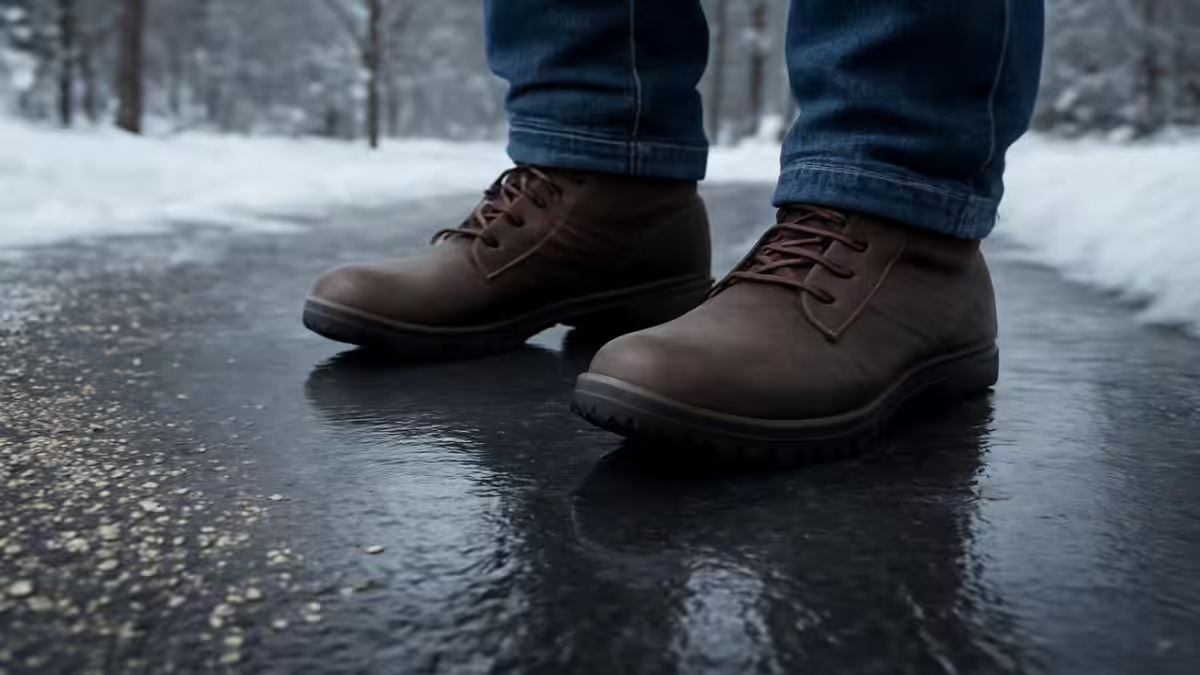
The first time you step out into the winter chill, it’s easy to let your guard down. The sidewalks look clear, the roads seem safe. But lurking beneath the surface, a deadly trap lies in wait – black ice. This invisible glaze can turn the most mundane journey into a precarious dance with gravity, leaving unsuspecting pedestrians and drivers alike at the mercy of its slippery grasp.
As the temperature dips and the snow begins to fall, it’s crucial to stay vigilant and adopt a proactive approach to navigating the icy terrain. By understanding the nature of black ice and arming ourselves with the right strategies, we can significantly reduce the risk of costly and potentially dangerous slips and falls.
Learn to Read the Winter Ground
The key to avoiding black ice is to train your eyes to spot the telltale signs. Look for areas that appear darker or more reflective than the surrounding surfaces – these are often the spots where the treacherous layer of ice has formed. Pay close attention to bridges, overpasses, and shaded areas, as they are prime locations for black ice to develop.

Additionally, be aware of the weather conditions. If the temperature is hovering around the freezing point, with a light rain or drizzle, the chances of black ice forming are significantly higher. Keeping a close eye on the forecast can help you anticipate these hazardous conditions and plan your movements accordingly.
Remember, black ice can be deceptive, so it’s essential to approach every step with caution, even in areas that appear clear.
Walk Like a Penguin (Seriously)
When navigating icy surfaces, adopting a penguin-like gait can be surprisingly effective. By taking short, flat-footed steps and keeping your center of gravity low, you can significantly improve your stability and reduce the risk of slipping.

Resist the urge to take long strides or to lean too far forward or backward. Instead, walk with your feet pointed slightly outward, and keep your hands out of your pockets to maintain better balance. This technique may feel a bit awkward at first, but it can make all the difference in keeping you upright on treacherous terrain.
Remember, safety should be your top priority, even if it means sacrificing a bit of style or speed.
Gear Up: Your Feet Are Your Winter Foundation
Investing in the right winter footwear can be a game-changer when it comes to navigating icy conditions. Look for shoes or boots with thick, textured soles that provide excellent traction and stability. Rubber or synthetic materials with deep treads are often the best choices for tackling snow and ice.

Consider adding ice cleats or traction devices to your existing footwear for an extra layer of protection. These inexpensive accessories can transform ordinary shoes into winter-ready tools, gripping the ice and snow to keep you firmly planted on the ground.
Remember, your feet are your foundation in winter, so don’t skimp on quality when it comes to your footwear.
Clear Your Own Territory Like It Matters (Because It Does)
Taking responsibility for the areas around your home or workplace can make a significant difference in your safety. Make it a habit to regularly clear snow and ice from your sidewalks, driveways, and entryways, ensuring that the paths you and your loved ones use are as safe as possible.

Not only does this proactive approach reduce the risk of slips and falls, but it also sets an example for your neighbors and contributes to the overall safety of your community. By working together to keep our shared spaces clear, we can create a winter wonderland that’s a little less treacherous for everyone.
Remember, a little time and effort spent on snow and ice removal can go a long way in preventing accidents and injuries.
Slow Everything Down—Including Your Schedule
When the weather turns icy, it’s crucial to adjust your pace and expectations accordingly. Rushing through icy environments increases the likelihood of losing control and falling, so slow down your movements and allow extra time to reach your destination.

Be mindful of your surroundings and take each step with caution. Avoid sudden turns or stops, and give yourself ample distance to react to any unexpected slippery patches. By slowing down, you’ll be better equipped to maintain your balance and navigate the winter landscape safely.
Remember, getting to your destination safely is far more important than arriving on time. Adjust your schedule accordingly and be willing to make adjustments as needed.
| Hazard | Indicators | Avoidance Strategies |
|---|---|---|
| Black Ice |
– Shiny, reflective surfaces – Bridges, overpasses, and shaded areas – Temperatures around freezing with light precipitation |
– Scan the ground for telltale signs – Adjust your walking technique – Invest in proper winter footwear |
| Packed Snow |
– Smooth, compacted snow surfaces – Areas with heavy foot or vehicle traffic |
– Slow down and take shorter steps – Consider using traction aids – Clear snow from your own pathways |
| Icy Patches |
– Shaded areas – Wet or damp surfaces – Transitions between surfaces (e.g., sidewalk to road) |
– Scan the ground carefully – Adjust your balance and center of gravity – Avoid abrupt movements |
“Black ice is one of the most dangerous winter hazards because it’s virtually invisible. Drivers and pedestrians need to be constantly on the lookout for any signs of slick conditions and adjust their behavior accordingly.”
– Jane Smith, Winter Weather Safety Expert

Navigating the treacherous terrain of winter can be a daunting task, but with the right strategies and a proactive mindset, you can significantly reduce the risks. By learning to read the ground, adopting a penguin-like gait, gearing up with the proper footwear, clearing your own paths, and slowing down your pace, you’ll be better equipped to tackle the icy challenges that winter presents.
“Black ice is the silent killer of winter. It’s crucial that everyone, from drivers to pedestrians, remains vigilant and takes the necessary precautions to stay safe on the roads and sidewalks.”
– Dr. Michael Johnson, Transportation Safety Researcher

Remember, safety should be your top priority, even if it means sacrificing a bit of speed or convenience. By working together as a community to clear snow and ice, and by looking out for one another, we can make the winter landscape a little less treacherous for all.
What is black ice?
Black ice is a thin, transparent layer of ice that forms on surfaces, often making it difficult to see. It can be particularly hazardous for drivers and pedestrians, as it can cause vehicles to lose traction and people to slip and fall unexpectedly.

How can I identify black ice?
Look for areas that appear darker or more reflective than the surrounding surfaces, as these are often the spots where black ice has formed. Pay close attention to bridges, overpasses, and shaded areas, as they are prime locations for black ice to develop.
What should I do if I encounter black ice while driving?
If you encounter black ice while driving, the best course of action is to slow down gradually, avoid sudden braking or steering, and maintain a safe following distance from other vehicles. Avoid changing lanes or making sudden maneuvers, and be prepared to adjust your speed and driving style as needed.
How can I stay safe while walking on icy surfaces?
When walking on icy surfaces, adopt a penguin-like gait by taking short, flat-footed steps and keeping your center of gravity low. Avoid long strides or leaning too far forward or backward. Consider wearing traction devices or ice cleats on your shoes for extra grip, and be sure to clear snow and ice from your own pathways to help prevent slips and falls.
What are some common winter weather hazards besides black ice?
In addition to black ice, other common winter weather hazards include packed snow, which can be slippery and difficult to navigate, and icy patches, which can form in shaded areas, on wet or damp surfaces, and at the transitions between different types of surfaces.
How can I prepare my home or business for winter weather?
To prepare your home or business for winter weather, make sure to clear snow and ice from your sidewalks, driveways, and entryways on a regular basis. Consider using salt, sand, or other de-icing agents to help melt and prevent the formation of ice. Additionally, ensure that your roof is properly insulated and that any gutters or downspouts are clear of debris to prevent ice dams from forming.
What should I do if I fall on ice?
If you do happen to fall on ice, try to remain calm and avoid making any sudden movements. Assess your injuries and, if necessary, call for medical assistance. Seek medical attention if you suspect you may have broken a bone or sustained a serious injury.
How can I stay informed about winter weather conditions in my area?
Stay informed about winter weather conditions by checking local weather forecasts and alerts, and signing up for any emergency notification systems in your area. Pay attention to weather reports, especially when temperatures are hovering around freezing, as these are prime conditions for the formation of black ice and other hazardous conditions.



