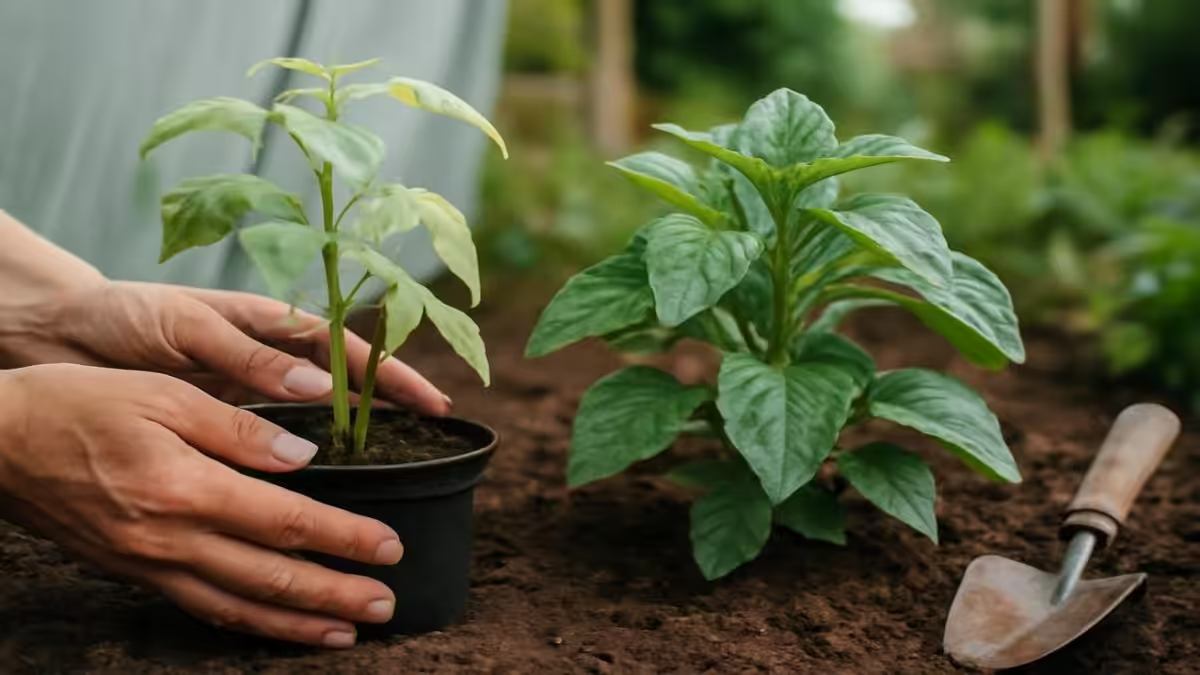
In the quest to nurture our beloved plants, we often inadvertently stifle their resilience. Just as a parent’s well-intentioned overprotection can hinder a child’s growth, our desire to shield our green companions from any hardship can ultimately weaken their ability to thrive on their own. The delicate balance between care and coddling is a dance we must learn to master if we hope to cultivate truly robust and self-sufficient plants.
While it’s natural to want to create the perfect growing conditions for our plants, we must resist the temptation to insulate them from the occasional challenge. Just as a muscle requires resistance to grow stronger, plants need exposure to a certain degree of stress to develop their own coping mechanisms and become more resilient.
In this exploration, we’ll uncover the unexpected benefits of letting our plants face gentle hardships, and discover how a little bit of adversity can ultimately lead to healthier, more self-reliant greenery.

Overwatering: Drowning Plants in Kindness
One of the most common ways we inadvertently coddle our plants is through excessive watering. Driven by our desire to keep them hydrated and healthy, we often err on the side of over-watering, unknowingly depriving them of the opportunity to develop deep, robust root systems.
In the wild, plants are accustomed to periods of drought, which force them to adapt by sending their roots deeper into the soil in search of moisture. This strengthens the plant’s structural integrity and enhances its ability to withstand future dry spells.
By constantly keeping the soil saturated, we rob our plants of this essential evolutionary training ground. Instead of developing the resilience to handle temporary water shortages, they become dependent on our constant attention and watering, leaving them vulnerable when we inevitably fall short.

Overfeeding: Spoiling Plants with Excess Nutrients
Similar to overwatering, our tendency to overindulge our plants with nutrient-rich soil or frequent fertilization can also undermine their long-term resilience. While a balanced diet is essential for healthy growth, an excess of certain nutrients can lead to a host of problems.
For example, overly nitrogen-rich soil can result in lush, leafy growth at the expense of root development and structural integrity. This imbalance makes the plant more susceptible to pests, diseases, and environmental stresses, as it has diverted resources away from building a strong foundation.
By allowing our plants to experience a gentle scarcity of certain nutrients, we encourage them to become more resourceful, tapping into their innate survival mechanisms to extract what they need from the soil. This process strengthens their overall constitution and prepares them to better withstand future challenges.

Over-Sheltering: Shielding Plants from the Elements
In our efforts to create the perfect growing conditions, we often go to great lengths to protect our plants from the elements. Whether it’s housing them in greenhouses, shading them from the sun, or sheltering them from wind and rain, this constant coddling can have unintended consequences.
Just as humans become weaker and more susceptible to illness when confined to sterile environments, plants that are deprived of exposure to natural stressors like sun, wind, and temperature fluctuations can lose their ability to adapt and fend for themselves.
By allowing our plants to experience a moderate level of these environmental challenges, we encourage the development of characteristics that enhance their resilience, such as thicker stems, waxy leaves, and a more efficient water-management system. This gradual hardening off process prepares them to thrive in the real-world conditions they’ll eventually face.

Letting Go of Perfection: Embracing Resilient Plants
As gardeners and plant enthusiasts, we often find ourselves striving for a level of perfection that simply isn’t sustainable in the long run. We meticulously curate our plant collections, fussing over every detail to ensure they remain unblemished and pristine.
However, this quest for perfection can come at the cost of the plant’s overall resilience. By focusing solely on aesthetics and immediate gratification, we neglect the long-term health and adaptability of our green companions.
It’s time to let go of our unrealistic expectations and embrace the inherent beauty of plants that have weathered a few storms. These resilient individuals may not be flawless, but they possess a strength and character that transcends superficial appearances. By celebrating their ability to bounce back from adversity, we honor the true essence of what makes a plant thrive.

Practicing “Gentle Hardship” in Your Own Garden
Cultivating resilient plants doesn’t mean abandoning our role as caretakers; rather, it’s about finding the right balance between nurturing and challenging our green friends. By incorporating “gentle hardship” into our gardening practices, we can help our plants develop the skills they need to thrive independently.
This could involve gradually reducing watering, allowing the soil to dry out slightly between waterings, or exposing plants to brief periods of direct sunlight or wind. It may also mean being more selective with fertilizers, using them judiciously and allowing the plants to work a little harder to extract the nutrients they need.
The key is to introduce these challenges gradually and with a light touch, never pushing the plants to the brink of distress. By striking this delicate balance, we can guide our plants toward a state of self-reliance, where they can withstand the ups and downs of their environment without relying solely on our intervention.

| Overprotective Gardening Practices | Benefits of Gentle Hardship |
|---|---|
| Constant, excessive watering | Develops deeper, stronger root systems |
| Nutrient-rich soil or frequent fertilization | Encourages plants to be more resourceful and self-reliant |
| Sheltering plants from natural elements | Helps plants build adaptability and resilience |
“Plants, like people, need to experience a certain amount of adversity in order to develop resilience and become self-sufficient. By letting them face gentle challenges, we’re ultimately helping them become stronger and more adaptable in the long run.”
– Dr. Emily Walters, plant ecologist
As we embrace this new mindset, it’s important to remember that every plant and every garden is unique. What constitutes “gentle hardship” for one species may be too much for another. It’s a delicate balancing act that requires close observation, patience, and a willingness to experiment.

“Overprotecting our plants is often a reflection of our own desire for control and perfection. By letting go of those expectations and allowing for a bit of natural adversity, we can create a more vibrant, self-sustaining garden that mirrors the resilience of the natural world.”
– Jane Evergreen, landscape designer
In the end, the journey to cultivating resilient plants is not about abandoning our role as caretakers, but rather redefining it. By learning to let our plants face gentle challenges, we empower them to develop their own coping mechanisms and become true partners in the dance of life.

| Overprotective Gardening Practices | Benefits of Gentle Hardship |
|---|---|
| Constant, excessive watering | Develops deeper, stronger root systems |
| Nutrient-rich soil or frequent fertilization | Encourages plants to be more resourceful and self-reliant |
| Sheltering plants from natural elements | Helps plants build adaptability and resilience |
“As gardeners, we have a tendency to coddle our plants, but that often comes at the expense of their long-term health and resilience. By allowing them to face gentle challenges, we’re actually empowering them to become stronger, more self-sufficient, and better equipped to handle the ups and downs of their environment.”
– Dr. Sarah Linden, horticulture researcher
Embracing this shift in mindset can be challenging, as it requires us to let go of our desire for perfection and trust in the inherent strength of our plants. But by doing so, we open the door to a more vibrant, self-sustaining garden where our green companions can thrive on their own terms.
Frequently Asked Questions
How do I know if I’m overwatering my plants?
Signs of overwatering include yellowing or wilting leaves, soft or mushy stems, and soil that remains constantly saturated. Allow the soil to dry out slightly between waterings, and be mindful of environmental factors like temperature and humidity that can affect a plant’s water needs.
What are the benefits of allowing my plants to experience occasional drought?
Periods of drought encourage plants to develop deeper, more extensive root systems in search of moisture. This strengthens the plant’s overall structure and improves its ability to withstand future dry spells. It also helps prevent issues like root rot and fungal diseases that can arise from constantly moist soil.
How can I reduce my use of fertilizers without harming my plants?
Focus on incorporating organic matter like compost into your soil, which provides a slow, steady release of nutrients. When using commercial fertilizers, apply them sparingly and only when necessary, based on the specific needs of your plants. Allow your plants to work a little harder to extract the nutrients they require.
Is it really necessary to expose my plants to wind and temperature fluctuations?
Yes, exposing plants to moderate environmental stressors can help them develop stronger stems, thicker leaves, and more efficient water-management systems. Start by gradually introducing them to these conditions, monitoring their response, and gradually increasing the duration and intensity as they adapt.
How can I tell if my plants are becoming too resilient and hardy?
If your plants start to exhibit signs of stunted growth, discoloration, or an overall lack of vigor, you may have gone too far in your efforts to “toughen them up.” Carefully observe your plants and make adjustments to ensure they’re still receiving the necessary care and resources to thrive.
What are some examples of “gentle hardship” I can introduce in my garden?
Some examples include allowing the soil to dry out slightly between waterings, reducing the frequency or amount of fertilizer application, exposing plants to brief periods of direct sunlight or wind, and avoiding the use of protective structures like greenhouses or shade cloths.
How can I tell if my plants are becoming more resilient over time?
Look for signs like deeper root systems, thicker stems, and leaves that are better able to withstand environmental stressors. You may also notice your plants bouncing back more quickly from challenges like drought, pests, or temperature fluctuations.
Is this approach suitable for all types of plants?
While the principles of building resilience through gentle hardship can be applied to a wide range of plants, the specific techniques and thresholds may vary depending on the plant species, climate, and growing conditions. It’s important to tailor your approach to the unique needs of your plants.



