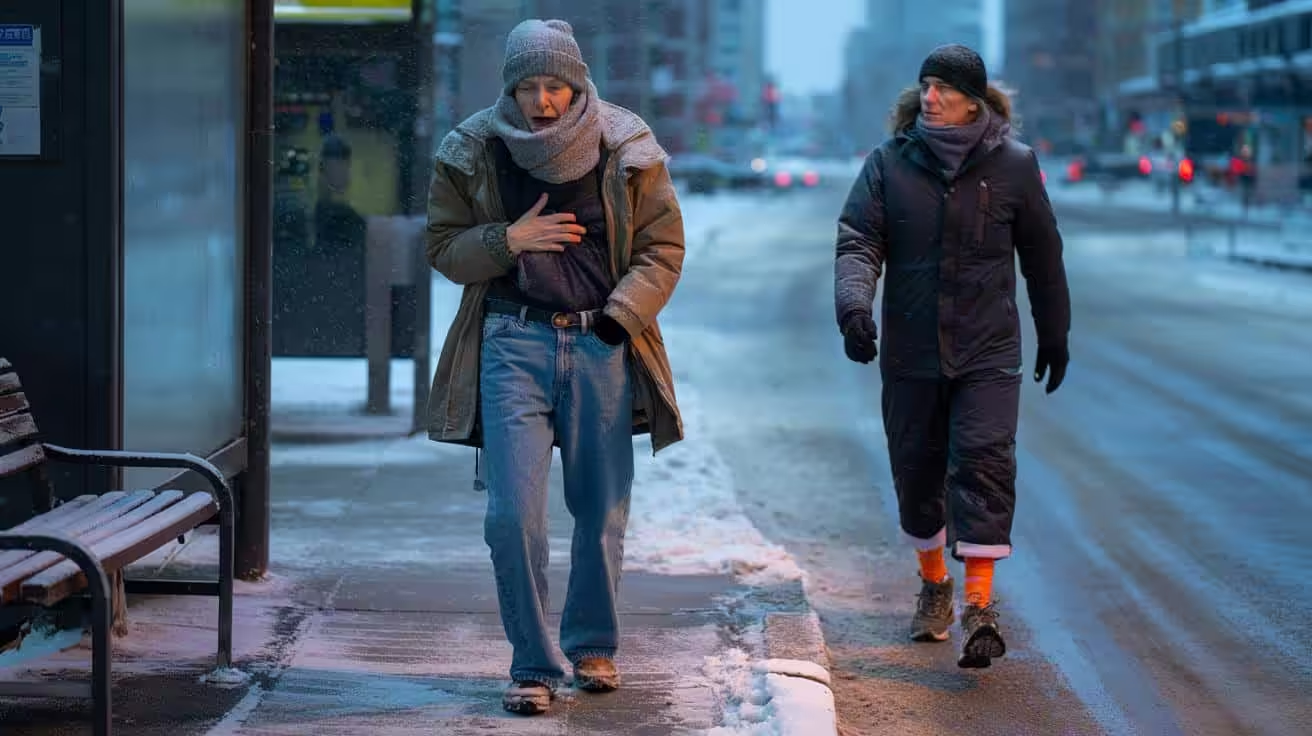
As the temperature plummets and the cold winds howl, many of us stubbornly cling to our trusty jeans, determined to brave the elements. But the harsh reality is that jeans, while a wardrobe staple, are a poor choice when the mercury drops. Their thin fabric and lack of insulation leave us vulnerable to the bitter chill, often leading to shivering, numb limbs and a general state of discomfort.
In the depths of winter, when every degree matters, the decision to don jeans can have consequences that extend far beyond mere fashion. From compromised circulation to the risk of hypothermia, the cost of this sartorial choice can be high. It’s time to reconsider our loyalty to denim and explore the alternatives that can keep us warm, comfortable, and safe when the cold snap hits.
The Insulation Dilemma: Why Jeans Fail in Frigid Temperatures
Jeans are designed for mild to moderate temperatures, not the bone-chilling cold of a blustery winter. Their lack of insulation means they offer little protection against the elements, allowing the cold to seep through and rob us of our body heat. This can lead to a range of unpleasant consequences, from numb extremities to a compromised immune system.

The thin, rigid fabric of jeans also fails to trap warm air close to the body, a crucial function of winter wear. As the temperature drops, this lack of insulation becomes increasingly problematic, leaving us vulnerable to the harsh realities of the season.
Moreover, jeans are notoriously slow to dry, meaning that if we encounter any moisture – whether from snow, sleet, or even perspiration – the fabric will cling to our skin, robbing us of the warmth we so desperately need.
The Dangers of Hypothermia and Frostbite
Wearing jeans in frigid weather heightens the risk of serious health concerns, such as hypothermia and frostbite. When the body is exposed to cold temperatures for an extended period, it struggles to maintain its core temperature, leading to a potentially life-threatening condition known as hypothermia.

Hypothermia occurs when the body’s internal temperature drops below 95°F (35°C), causing shivering, confusion, and drowsiness. Left untreated, it can progress to a state of unconsciousness and even death. The thin, uninsulated nature of jeans makes it easier for the body to lose heat, increasing the likelihood of this dangerous condition.
Frostbite is another grave concern, as the exposed skin on our hands, feet, and face can quickly succumb to the biting cold. This condition occurs when the skin and underlying tissues freeze, leading to permanent damage and, in severe cases, the loss of digits or limbs.
The Compromised Circulatory System
Wearing jeans in extreme cold can also wreak havoc on the body’s circulatory system. As the body works overtime to maintain its core temperature, blood flow is diverted away from the extremities, leading to a loss of sensation and, in some cases, the development of chilblains – painful, inflamed skin caused by the constriction of blood vessels.

This diminished circulation can also have long-term consequences, such as an increased risk of cardiovascular issues and a weakened immune system. The body’s resources are stretched thin as it struggles to compensate for the lack of insulation provided by jeans.
Moreover, the tight, restrictive nature of jeans can further impede blood flow, exacerbating the problem and putting our overall health at risk.
The Importance of Layering and Proper Insulation
When the mercury plummets, it’s essential to prioritize warmth and protection over fashion. Abandoning jeans in favor of clothing designed for cold weather can make all the difference in maintaining comfort and safety.

Layering is key, as it allows us to trap warm air between garments and provide superior insulation. Opting for thermal underwear, fleece-lined pants, or wind-resistant outer layers can make a significant difference in our ability to withstand the harsh winter conditions.
Natural fibers like wool and down are particularly effective at retaining body heat, while synthetic materials like polyester can wick away moisture and prevent the chill from seeping in. By prioritizing function over form, we can stay warm, dry, and comfortable, even in the depths of winter.
The Social and Practical Consequences of Wearing Jeans in Cold Weather
Aside from the physical risks, wearing jeans in frigid temperatures can also have social and practical consequences. When we shiver and struggle to stay warm, it can affect our mood, energy levels, and overall productivity, making it harder to engage in social activities or perform at our best.

Moreover, the discomfort and distraction caused by the cold can impair our judgment and decision-making, potentially leading to accidents or other safety hazards. In a work or school setting, this can translate to decreased performance, missed opportunities, and even disciplinary issues.
From a social standpoint, the perpetual shivering and discomfort that come with wearing jeans in the cold can make us appear uncomfortable, unapproachable, and even unprofessional. This can negatively impact our relationships, social interactions, and even our job prospects.
Embracing the Winter Wardrobe Transformation
Letting go of our beloved jeans in favor of more practical, winter-friendly attire can be a challenging but necessary step. It may require a shift in our mindset, as we learn to prioritize function over fashion and embrace the transformation of our wardrobe for the colder months.

This transition can be an opportunity to experiment with new styles, textures, and silhouettes, discovering the joy of staying warm and comfortable while still expressing our personal style. From insulated leggings and thermal trousers to cozy sweatpants and flannel-lined pants, there are countless options that can keep us toasty without sacrificing our sartorial sensibilities.
By embracing this change and prioritizing our well-being, we can not only stay safe and healthy but also unlock new levels of productivity, comfort, and confidence as we navigate the winter wonderland.
Conclusion: Denim Defeat and the Path to Warm, Cozy Comfort
As tempting as it may be to cling to our trusty jeans, the reality is that they simply cannot provide the level of insulation and protection we need when the temperatures plummet. By acknowledging the limitations of denim and exploring alternative winter wear options, we can keep ourselves warm, safe, and comfortable, no matter how bitterly the wind blows.

It’s time to let go of our denim devotion and embrace the practical, winter-friendly wardrobe that can keep us thriving, even in the harshest of conditions. After all, our well-being should always come first, and the cost of stubbornly clinging to jeans in the cold is simply too high to ignore.
So as you step out into the winter wonderland, leave your jeans behind and step into a world of cozy, insulated comfort. Your body and mind will thank you for it.
FAQ
Why are jeans a poor choice for cold weather?
Jeans lack proper insulation to keep you warm in frigid temperatures. The thin, rigid fabric allows cold air to seep through, leading to discomfort, compromised circulation, and increased risk of hypothermia and frostbite.

What are the dangers of wearing jeans in the cold?
Wearing jeans in cold weather can increase the risk of hypothermia, frostbite, and other health issues. The lack of insulation can lead to a loss of body heat, compromised circulation, and an overall weakened immune system.
What should I wear instead of jeans in the winter?
Instead of jeans, opt for winter-friendly clothing like thermal underwear, fleece-lined pants, or wind-resistant outer layers. Natural fibers like wool and down are particularly effective at retaining body heat.
How can layering help keep me warm in the cold?
Layering traps warm air between garments, providing superior insulation and protection against the cold. By wearing a base layer, mid-layer, and outer layer, you can create a system that keeps you warm, dry, and comfortable.
What are the social and practical consequences of wearing jeans in cold weather?
Wearing jeans in the cold can affect your mood, energy levels, and productivity, potentially leading to safety hazards and social consequences. The discomfort and distraction can also make you appear unapproachable or unprofessional.
How can I embrace a winter wardrobe transformation?
Letting go of jeans and exploring new winter-friendly styles can be an opportunity to experiment with different textures, silhouettes, and personal expression. Focusing on function over fashion can help you stay warm, comfortable, and confident throughout the colder months.
Is it ever okay to wear jeans in the winter?
While jeans may be acceptable in milder weather, they are generally not recommended for extended periods in very cold conditions. It’s best to prioritize insulation and warmth over fashion when the temperature drops.
How can I transition my wardrobe for the winter?
Gradually replace your jeans with more winter-friendly options like thermal leggings, flannel-lined pants, or insulated trousers. Invest in quality base layers, mid-layers, and outerwear to create a versatile, comfortable cold-weather wardrobe.



